Eligibility | Goals | Home Fit | Assisted PD | Frailty | Trade-offs | Reassessment
CHAPTER MISSION Build a patient-first modality-selection model that distinguishes true clinical feasibility from remediable barriers, presents all reasonable kidney-failure pathways without modality bias, and converts goals, function, home context and care-partner capacity into a safe, sustainable plan.
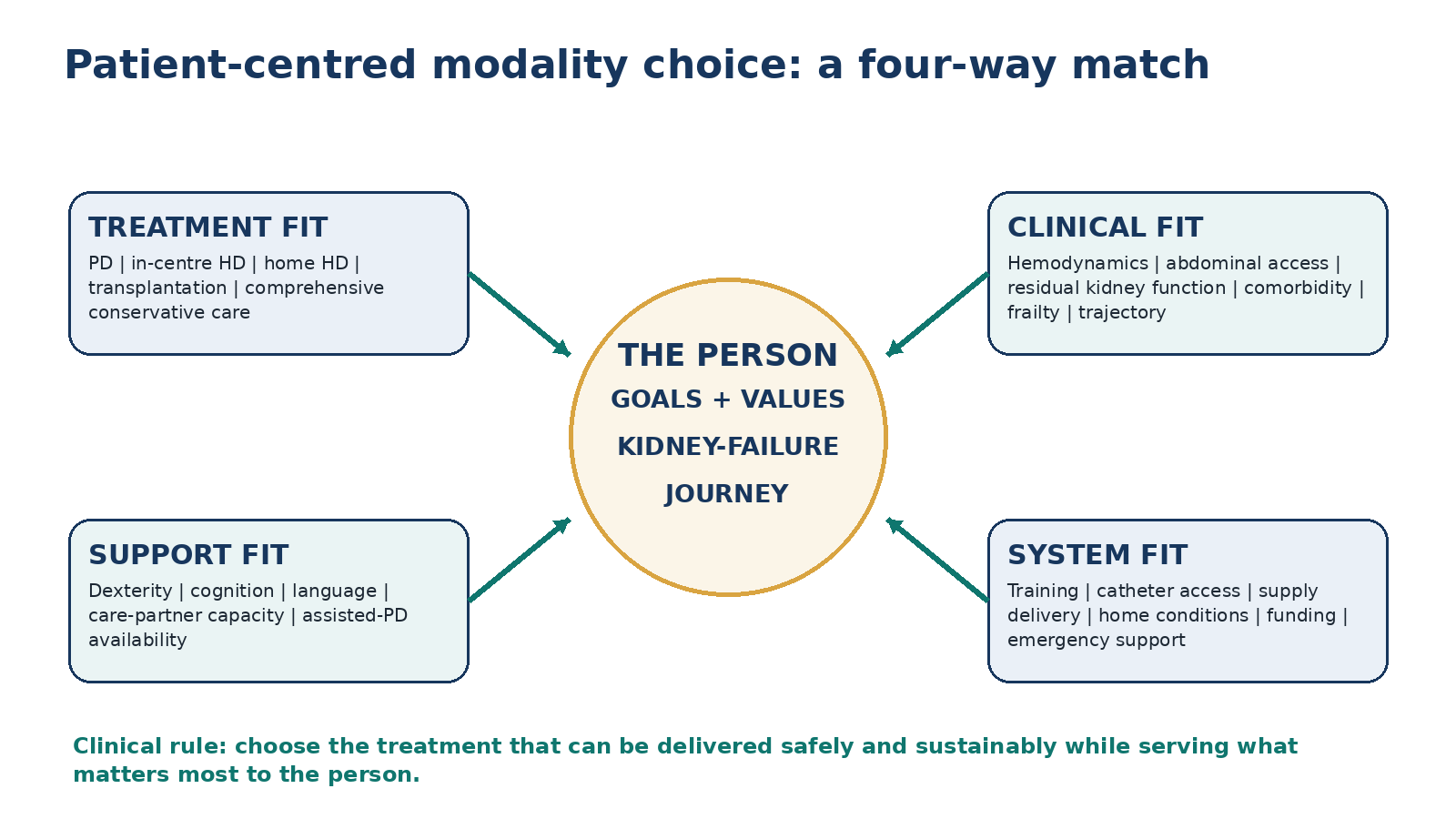
MASTER PRINCIPLE Do not ask, “Is this patient a PD candidate?” Ask, “Which options are clinically feasible, which barriers are modifiable, what matters most to this person, and what support would make the preferred option sustainable?”
0. One-page chapter map
Table 4.1 - The eight decisions that govern patient selection and modality choice.
| Decision | Core question | Bedside output |
|---|---|---|
| 1. Time | Is kidney failure likely soon enough that treatment education and preparation should begin now? | Risk-informed planning window |
| 2. Options | Which pathways are genuinely available: transplantation, PD, HD/home HD, or comprehensive conservative care? | Balanced option set |
| 3. Feasibility | Can PD be delivered safely from an anatomic and clinical standpoint? | True contraindication vs manageable risk |
| 4. Capability | Can the patient perform PD tasks after individualized training? | Self-care capability profile |
| 5. Support | Can physical, cognitive, social or caregiver barriers be overcome with assistance or adaptation? | Support/assisted-PD plan |
| 6. Values | What outcomes and burdens matter most to the person? | Named patient priorities |
| 7. Match | Which feasible option best fits the priorities and local reality? | Shared modality decision + backup plan |
| 8. Revisit | Has health, function, home life, caregiver capacity or preference changed? | Scheduled or trigger-based re-decision |
Learning outcomes
Use KDIGO kidney-failure risk and clinical trajectory to time multidisciplinary care and modality education without treating risk thresholds as dialysis-start criteria.
Conduct modality education as a balanced, iterative shared decision rather than a one-time consent process or a “PD versus HD” sales discussion.
Separate anatomical/clinical eligibility, self-care capability and supportability so that remediable physical, cognitive or social barriers do not become false contraindications.
Assess home environment, health literacy, learning needs, vision, dexterity, mobility, cognition, emotional readiness and care-partner burden in a way that leads to a practical support plan.
Use assisted PD as an equity-enabling model for patients who prefer PD but cannot safely perform all tasks independently.
Compare PD, in-centre HD and home HD using patient-important domains such as schedule, travel, life participation, vascular/peritoneal access, hemodynamic tolerance and treatment workload.
Recognize that older age, obesity, diabetes, polycystic kidney disease, prior abdominal surgery and many social factors are not automatic reasons to exclude PD.
Identify circumstances in which PD is clinically unattractive or not currently deliverable and communicate that limitation without coercion or blame.
Integrate transplantation and comprehensive conservative care into the kidney-failure life-plan rather than presenting dialysis modality as the only decision.
Reassess modality fit when frailty, caregiver capacity, treatment complications, life goals or the home environment changes.
EVIDENCE POSTURE KDIGO 2024 CKD guidance anchors timing of multidisciplinary care and KRT education; KDIGO 2019 and 2023 conference reports anchor person-centred modality choice and home-dialysis access; ISPD 2020 goal-directed PD recommendations, the 2024 assisted-PD position paper and the 2025 PD teaching position paper anchor PD-specific goal setting, barrier assessment and training. Comparative survival evidence between modalities remains observational and confounded; therefore, the chapter avoids declaring one dialysis modality universally superior. [1–7]
1. Core concept: selection is matching, not screening out
Traditional “PD candidate” thinking starts with a list of exclusions. Modern modality selection starts with a different sequence: define the person’s goals, identify all clinically feasible treatment pathways, determine what each pathway would demand in the real home and health-system context, and then remove remediable barriers before declaring an option unavailable. KDIGO and ISPD both emphasize individualized, goal-directed care rather than a one-size-fits-all modality hierarchy. [2–6]
The distinction matters because many commonly cited PD barriers are not fixed biological contraindications. Age, obesity, diabetes, polycystic kidney disease, mild cognitive impairment, reduced dexterity and living alone can all reduce the ease of self-care PD, but their clinical meaning changes when training is adapted, a care partner is available, professional assistance exists, catheter technique is optimized, or the prescription is redesigned. [5,8,16–18]
BEDSIDE TRANSLATION Before saying “not suitable for PD,” name the exact barrier, decide whether it is anatomical, clinical, functional, cognitive, psychosocial, caregiver-related or system-related, and document whether it can be corrected or supported.
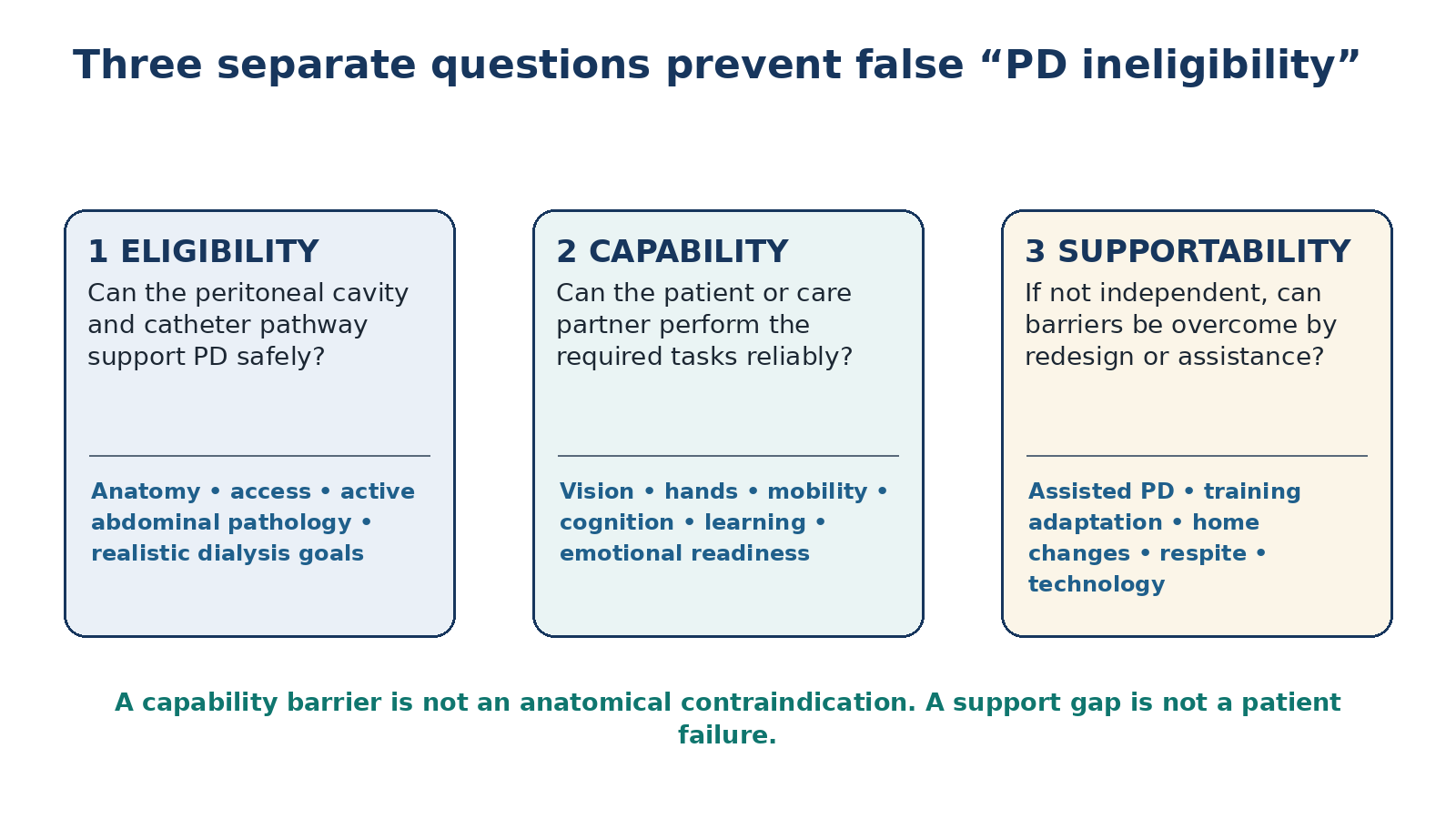
Table 4.2 - Three questions that prevent inappropriate exclusion.
| Question | What you are testing | Typical output |
|---|---|---|
| Eligibility | Can a functioning catheter be placed and can intraperitoneal therapy be delivered safely? | Yes / yes with technical planning / currently no |
| Capability | Can the patient learn and perform the required steps safely? | Independent / partial assistance / unable to self-care |
| Supportability | Can unmet tasks be safely provided by a caregiver, assistant, service or adaptive workflow? | Support plan / respite plan / alternative modality |
2. Start early enough to create a real choice
A modality conversation held after an emergency dialysis catheter has already been inserted is still worthwhile, but the choice is structurally constrained. KDIGO 2024 recommends risk-based planning: a 2-year kidney-failure risk greater than 10% can help determine timing of multidisciplinary care, while a 2-year risk greater than 40% can help determine timing of modality education and preparation for KRT, alongside eGFR and other clinical considerations. These thresholds guide preparation; they do not define when dialysis must begin. [1]
Early education creates time for transplant evaluation, home assessment, PD catheter planning, vascular-access planning if HD is chosen, care-partner involvement and repeated conversations. It also reduces the false urgency that makes patients accept whichever treatment is immediately available. [1–3]
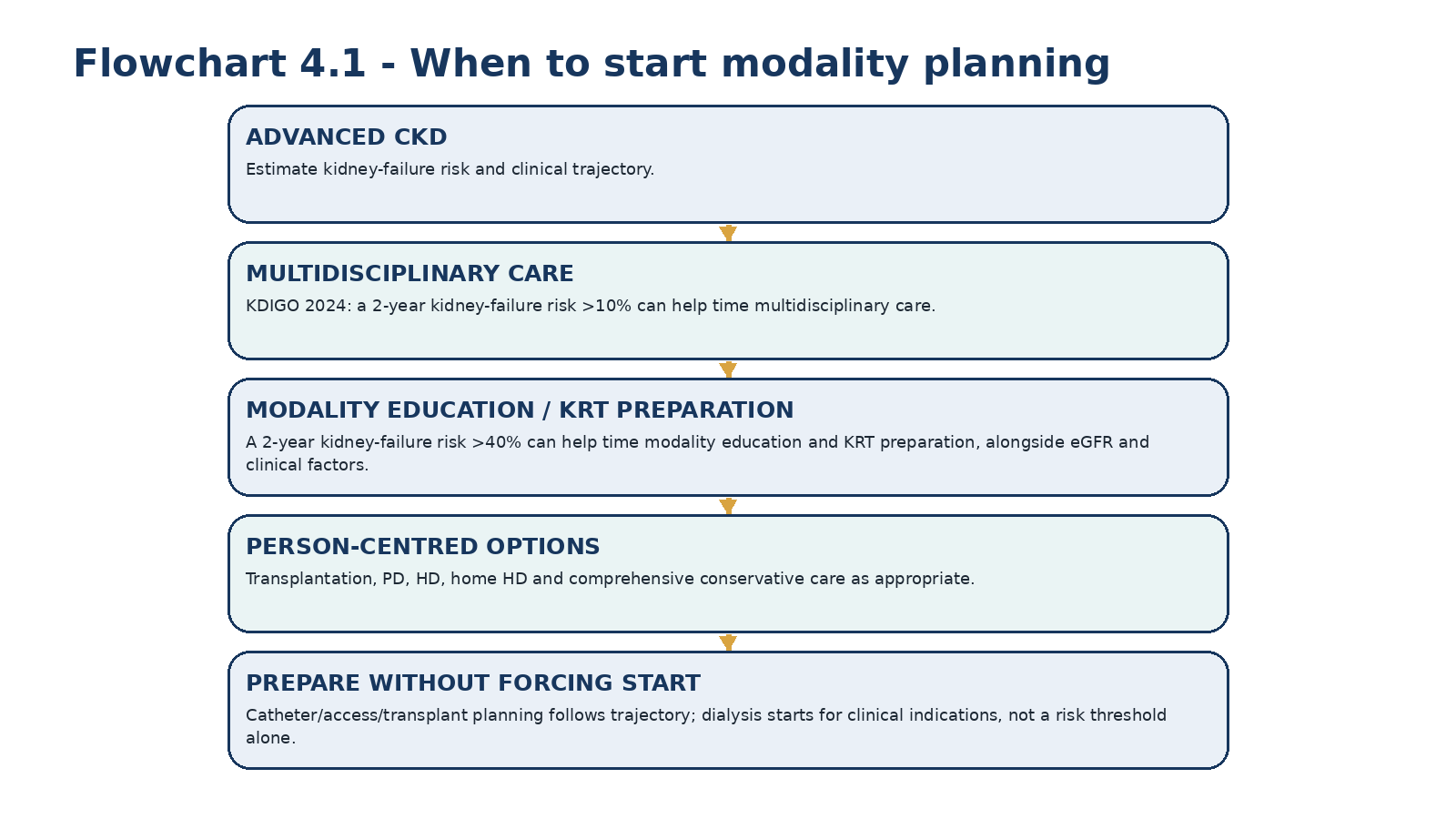
Table 4.3 - Planning milestones: what should happen before dialysis is urgently needed.
| Milestone | Clinical purpose | Failure mode if omitted |
|---|---|---|
| Kidney-failure risk estimation | Recognize who is approaching a decision window | Education occurs too late |
| Multidisciplinary education | Explain all reasonable pathways | Modality default by local habit |
| Transplant review | Identify pre-emptive or future transplant possibilities | Unnecessary dialysis exposure or delayed listing |
| Home and function assessment | Test real-world feasibility of home therapy | Late discovery of remediable barriers |
| Access/catheter plan | Make the chosen modality technically deliverable | Emergency CVC or rushed catheter placement |
| Backup plan | Define what happens if primary plan fails | Next event becomes an emergency |
THRESHOLD DISCIPLINE A kidney-failure risk threshold is a planning trigger, not an automatic dialysis-start trigger. Symptoms, complications, trajectory, patient preferences and clinical context still govern treatment initiation. [1,2]
3. Shared decision-making: the decision belongs in the patient’s life
Dialysis modality is a preference-sensitive decision because the treatment options trade different burdens for different forms of freedom. PD moves treatment into the home and can reduce travel and facility dependence, but transfers daily technical work, storage and infection-prevention responsibility into everyday life. In-centre HD concentrates treatment in a facility and transfers technical work to staff, but introduces travel, fixed scheduling, vascular access and intermittent treatment effects. Home HD offers another home-based pathway but requires a different level of equipment, training and vascular-access self-management. [2,3]
Shared decision-making is therefore more than providing information. The clinician must make the existence of choice explicit, describe feasible options fairly, elicit values, connect those values to treatment trade-offs, agree a plan and revisit it later. Decision aids can improve knowledge and preparation and reduce decisional conflict or regret, but they support rather than replace the conversation. [9–11]
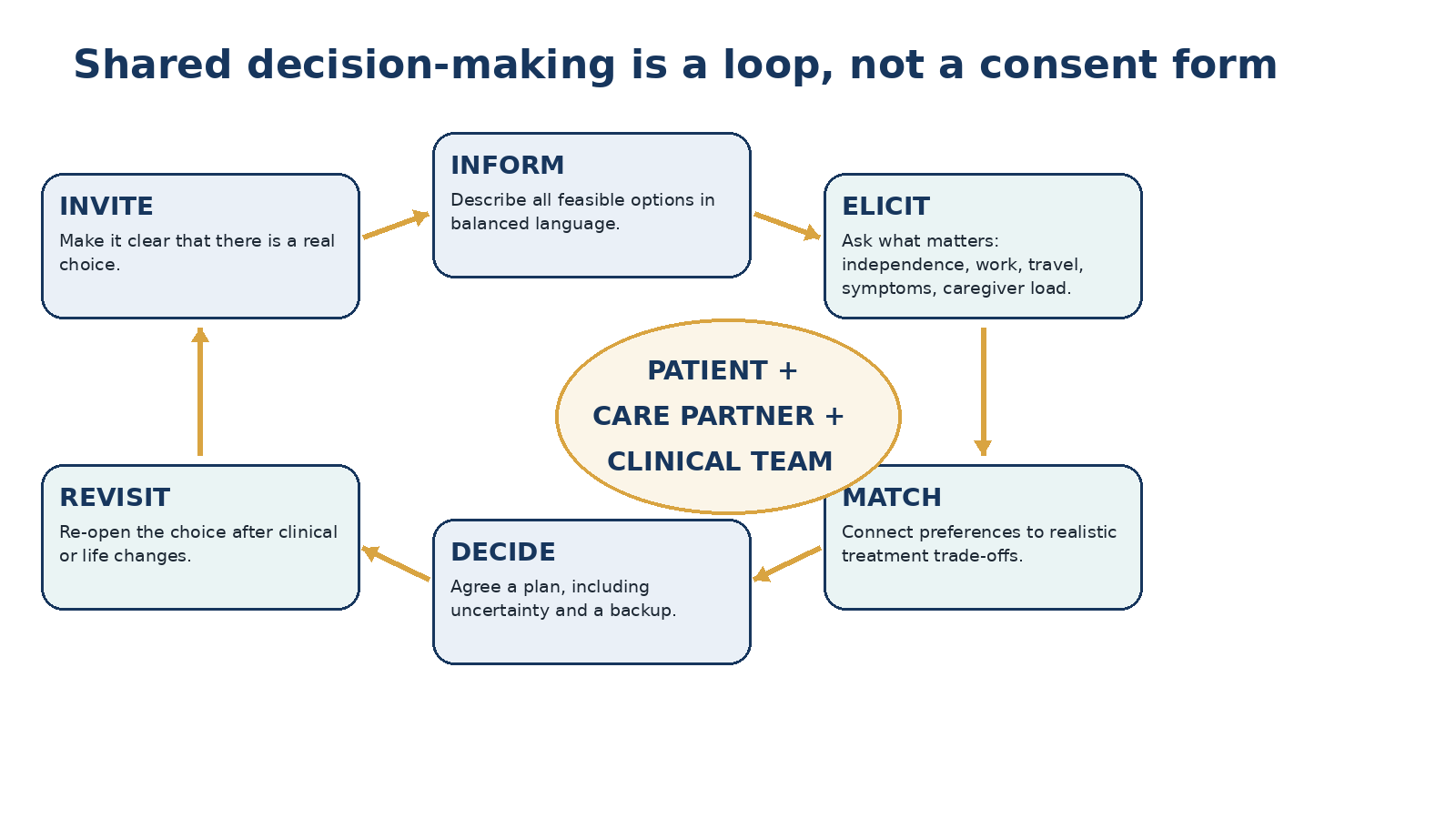
Table 4.4 - Values that commonly change the modality choice.
| Patient priority | Question to ask | How it may influence the discussion |
|---|---|---|
| Life participation | What must treatment allow you to keep doing? | Work, study, parenting, travel and social roles may favor different schedules |
| Independence | How important is doing treatment yourself versus having staff deliver it? | Home therapy can increase autonomy but also daily responsibility |
| Home privacy | How do you feel about medical equipment and supplies at home? | Storage and visibility may be important burdens |
| Travel/transport | What is harder: travel to a unit or transporting supplies/equipment? | Geography changes the practical trade-off |
| Needles | How do you feel about repeated vascular cannulation? | May affect HD acceptability but should not be used as coercion |
| Caregiver protection | How much can or should family be involved? | A preferred home therapy may require professional assistance rather than unpaid burden |
| Symptom tolerance | Which treatment effects are most disruptive? | Hemodynamic tolerance, recovery time and abdominal symptoms may matter |
| Future flexibility | How important is transplantation or future modality change? | Plan access and modality as a journey, not a permanent label |
LANGUAGE RULE Say “Here are the options that appear medically feasible; let’s compare what each would mean in your life.” Avoid “You are a PD patient,” “You failed PD,” or “You are too old for home dialysis.”
4. A practical assessment: eligibility -> capability -> supportability
This three-step framework is a teaching architecture, not an official ISPD classification. Its purpose is to stop clinicians from using functional dependence as if it were anatomical unsuitability. The first step asks whether PD can work biologically and technically; the second asks who can perform the tasks; the third asks how missing capability can be supplied. [5,8]
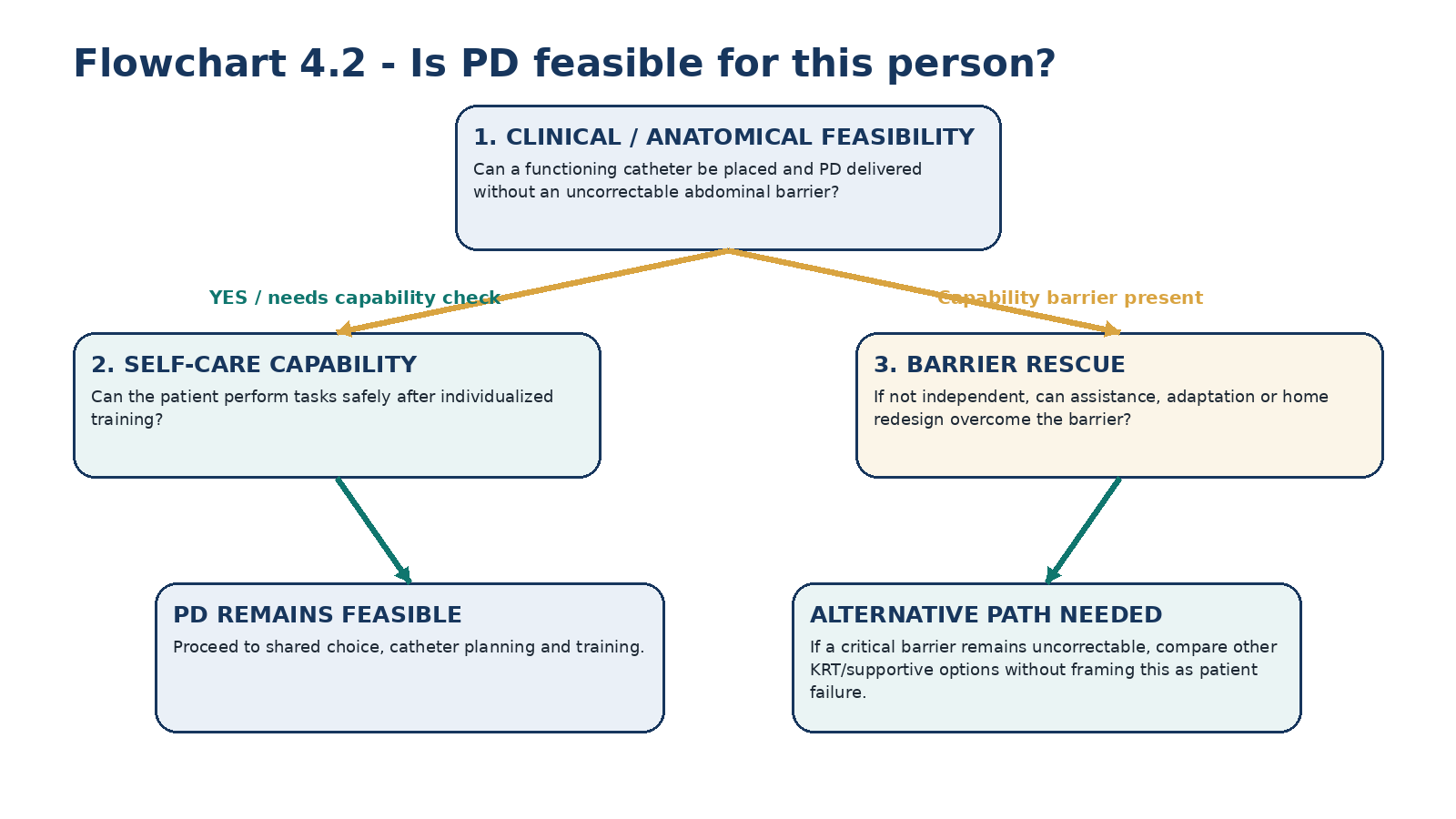
Table 4.5 - The modality-selection assessment in one clinic visit.
| Domain | Questions | Output |
|---|---|---|
| Clinical trajectory | What is the kidney-failure timeline, symptom burden, transplant pathway and comorbidity trajectory? | Urgency + options |
| Abdominal feasibility | Prior surgery? hernia? stoma? current infection/inflammation? ability to place catheter? | Technical planning needs |
| Physical function | Vision, dexterity, strength, mobility, ability to lift or connect? | Task-by-task capability |
| Cognition/learning | Memory, executive function, literacy, language, ability to teach-back? | Training adaptations / assistance |
| Emotional readiness | Anxiety, depression, confidence, aversion to home treatment? | Support needs / preference |
| Home environment | Clean workable space, storage, utilities if APD, pets/risks, emergency contact? | Remediable home plan |
| Care partner | Willingness, availability, health, competing duties, burden? | Caregiver role or professional assistance |
| System capacity | Training, catheter insertion, assisted PD, urgent support, supply delivery? | Real-world availability |
| Values | What outcomes and burdens matter most? | Decision criteria |
| Backup | What if the first choice cannot be started or later stops fitting? | Contingency plan |
5. Clinical feasibility: what really makes PD difficult?
Absolute contraindications to a specific dialysis modality are uncommon. Rather than memorizing long prohibition lists, identify whether there is an uncorrectable barrier to establishing a usable peritoneal cavity, placing/maintaining a functional catheter, or delivering treatment safely. Many abdominal and comorbidity concerns are relative and depend on surgical expertise, disease severity and local experience. [8]
Examples that may make PD temporarily or persistently unattractive include active intra-abdominal infection or inflammatory pathology requiring treatment, inability to establish reliable peritoneal access, severe mechanical complications that cannot be corrected, or an environment in which essential treatment steps cannot be delivered safely despite available support. These are mechanistic statements rather than universal diagnostic labels.
Table 4.6 - Replace “contraindication lists” with mechanism-based questions.
| Concern | Why clinicians worry | Better question |
|---|---|---|
| Prior abdominal surgery | Adhesions / catheter dysfunction | Can a catheter be placed with acceptable function using appropriate technique? |
| Hernia | Leak or enlargement with pressure | Can it be repaired or managed before/with PD and can fill volumes be adapted? |
| Ostomy | Contamination concerns | Can exit site, stoma care and connection technique be separated safely? |
| Obesity | Catheter reach, leaks, clearance concerns | Can exit site/catheter and prescription be designed for this body habitus? |
| ADPKD | Space, hernia, discomfort | Is there clinically important abdominal crowding or recurrent hernia? |
| Frailty | Self-care difficulty | Which tasks are impaired and can assistance cover them? |
| Cognitive impairment | Technique error | Can a reliable care partner or assistant deliver treatment? |
| Living alone | No immediate helper | Is self-care feasible or is professional assistance available? |
DO NOT AUTOMATE A comorbidity is not a modality decision. Translate the diagnosis into the mechanism by which it might impair PD, then determine whether that mechanism is present and modifiable. [8]
6. Physical function: assess tasks, not labels
PD self-care requires a sequence of concrete abilities: seeing and identifying equipment, maintaining hand hygiene, opening and manipulating connections, lifting or positioning bags where required, recognizing abnormal effluent, responding to alarms, recording treatment and knowing when to seek help. A patient can be independent in some tasks and dependent in others. [5,6]
Table 4.7 - Task-based functional assessment.
| Task | Potential barrier | Possible adaptation |
|---|---|---|
| Hand hygiene / asepsis | Weakness, tremor, arthritis | Adaptive technique, assistance, environmental setup |
| Connection / disconnection | Poor vision or dexterity | Device adaptation, lighting, retraining, assistant |
| Bag handling | Frailty, shoulder disease | APD setup support, bag positioning, assistant |
| Cycler operation | Cognitive or visual limitation | Simplified workflow, caregiver/assistant, remote support where available |
| Effluent assessment | Vision / cognition | Care partner or structured prompts; rapid contact pathway |
| Record keeping | Literacy / memory | Pictorial tools, digital system, caregiver documentation |
| Emergency response | Hearing/cognition/anxiety | Teach-back, written plan, care-partner involvement |
BEDSIDE TRANSLATION Do not ask “Can they do PD?” Ask “Which exact steps can they do, which exact steps cannot they do, and who or what can safely supply the missing steps?”
7. Cognition, learning and health literacy
Cognitive impairment can affect sequencing, aseptic technique, response to abnormal findings and adherence. However, cognitive impairment is not synonymous with inability to receive PD. ISPD assisted-PD guidance specifically identifies memory difficulties, dementia, aphasia, language barriers and learning disabilities among barriers that may be overcome by assistance. [5]
Training should be individualized to learning style, health literacy, language and cognitive capacity, with repeated demonstration and teach-back rather than passive information delivery. The 2025 ISPD teaching position paper emphasizes contemporary patient/caregiver training and ongoing reassessment of competence. [6]
Table 4.8 - Learning barriers and what to do with them.
| Finding | Clinical risk | Response |
|---|---|---|
| Limited health literacy | Misunderstanding instructions / alarms | Plain language, demonstration, pictorial aids, teach-back |
| Language discordance | Incomplete education | Professional interpretation / language-concordant materials and staff |
| Mild cognitive impairment | Sequencing or memory errors | Repetition, prompts, caregiver validation, periodic reassessment |
| Dementia | Independent technique may be unsafe | Assisted PD if reliable support can perform required tasks |
| Anxiety / low confidence | Avoidance, early technique failure | Slower training, supervised start, peer support, short-term assistance |
| Depression | Reduced engagement / self-care | Identify and treat; do not mislabel as “noncompliance” |
8. Home environment: assess function, not social worth
The home assessment is not a test of whether a person is “good enough” for home dialysis. Its purpose is to identify what the treatment needs: a workable connection area, storage, hygienic handwashing arrangements, supply delivery access, safe disposal processes, reliable communication and, for APD, appropriate electricity and cycler placement. Exact requirements vary by program, device and local regulation. [3,6]
Table 4.9 - Home assessment: risk -> remedy.
| Finding | Potential problem | First response |
|---|---|---|
| Limited storage | Supply burden | Smaller deliveries / reorganized space / alternative supply model |
| Crowded home | Aseptic workspace difficult | Define a protected connection zone; adapt schedule/location |
| Pets | Contamination risk during connection | Create separation during setup/exchanges; reinforce technique |
| Unstable utilities | APD reliability concerns | Contingency plan or CAPD option where appropriate |
| Long distance from centre | Delayed support | Home therapy may reduce travel but requires robust remote/emergency pathway |
| Housing insecurity | Continuity and storage risk | Social-work/system solution; do not frame as personal failure |
| No family at home | No immediate informal assistance | Assess self-care or professional assisted-PD availability |
EQUITY RULE A social barrier should trigger a system response before it becomes a clinical exclusion. KDIGO identifies policy, cost, provider bias, caregiver time and infrastructure as determinants of home-dialysis access. [3]
9. Care partners: participation must be voluntary and sustainable
Family support can make PD possible, but “family available” is not the same as “family willing, able and sustainable.” ISPD 2024 recommends assessing caregiver burden and monitoring self-care or family-assisted PD for new barriers over time. Caregiver illness or burnout may justify short-term professional assistance or respite to prevent unnecessary transfer to HD. [5]
Table 4.10 - Care-partner assessment.
| Question | Why it matters | Action if concern |
|---|---|---|
| Do you want this role? | Avoid coerced unpaid care | Offer professional assistance / alternative modality |
| Which tasks can you do? | Different tasks carry different burdens | Share tasks deliberately |
| What competing duties exist? | Work, childcare and illness affect reliability | Schedule around real constraints |
| What would burnout look like? | Early recognition prevents crisis | Define respite trigger and contact pathway |
| Who is backup? | Single-person dependency is fragile | Redundancy / assistant service |
| How will competence be maintained? | Technique can drift | Retraining and reassessment |
CARE-PARTNER RULE Do not make a preferred home modality contingent on silent caregiver sacrifice. The caregiver is part of the shared decision, not an invisible resource.
10. Assisted PD: convert dependence into access
The 2024 ISPD position paper defines assisted PD as a crucial strategy for individuals who want PD but cannot perform all required tasks independently or lack family support. It recommends interdisciplinary assessment of physical, cognitive, emotional and social barriers; assessment of caregiver burden; standardized training of assistants; robust communication with the PD program; and funding models that support both short- and long-term assistance. [5]
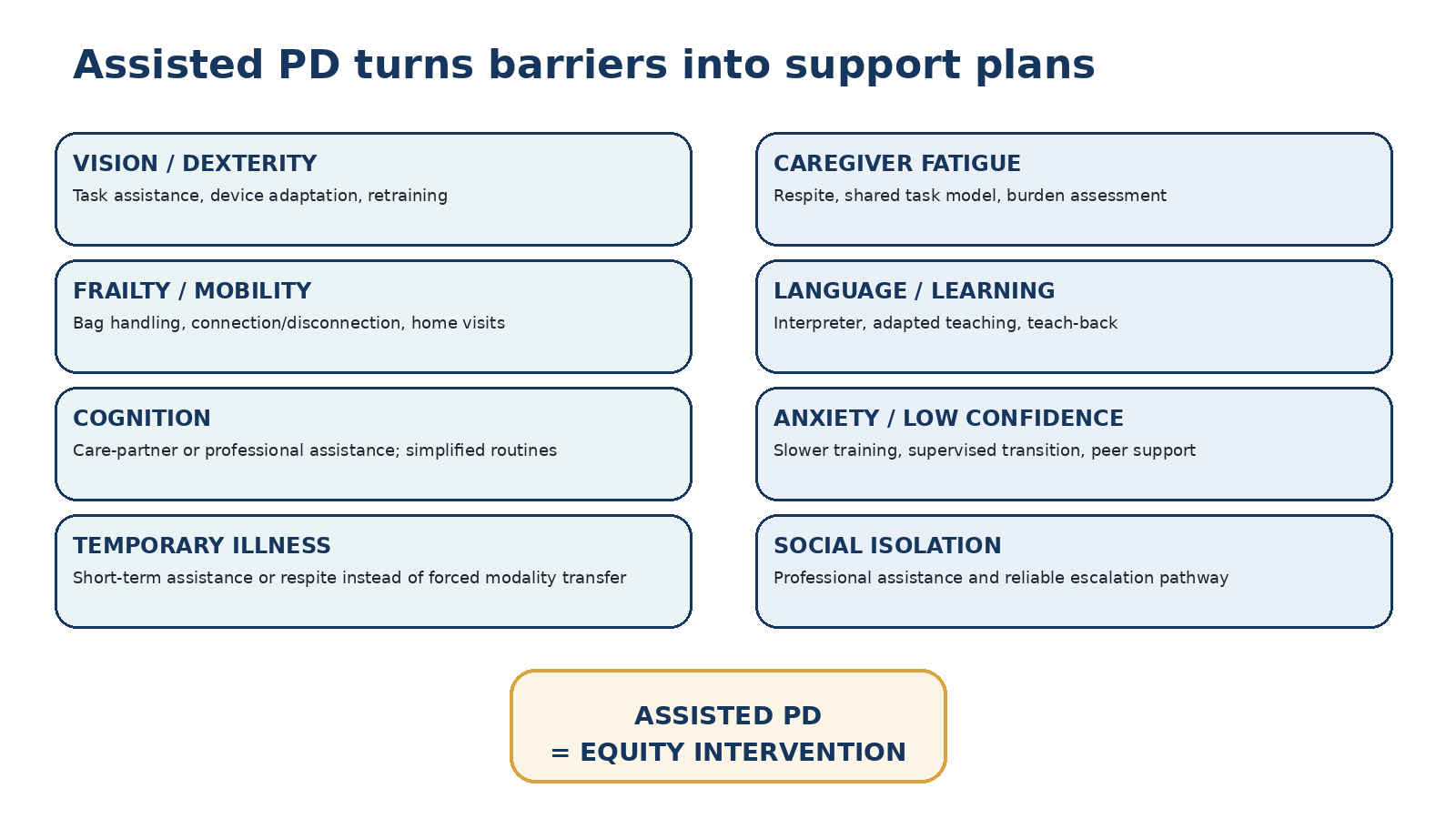
Table 4.11 - Assisted-PD indications in practical terms.
| Scenario | Assistance model | Goal |
|---|---|---|
| New start with low confidence | Short-term support during training/start | Safe transition to self-care if possible |
| Permanent dexterity/vision limitation | Task-specific long-term help | Maintain preferred home modality |
| Frailty or mobility dependence | Bag/cycler/connection assistance | Reduce physical task burden |
| Cognitive impairment | Caregiver/professional performs critical tasks | Prevent unsafe independent technique |
| Caregiver illness/burnout | Respite / temporary professional assistance | Avoid crisis transfer to HD |
| Acute illness or peritonitis recovery | Temporary assistance | Preserve PD during recovery |
EVIDENCE CALIBRATION Assisted-PD models vary internationally and much of the outcome evidence is observational. ISPD supports its use to improve equitable access, but local staffing, funding and quality-control systems determine what can actually be offered. [5]
11. Compare modalities by patient-important trade-offs, not survival slogans
No randomized trial has established a universal survival advantage of PD over contemporary in-centre HD or vice versa. Comparative studies are strongly affected by selection, comorbidity, timing, access type and modality switching. KDIGO therefore treats modality choice as preference-sensitive; the 2023 home-dialysis conference concluded that outcomes are broadly similar overall, while individual clinical measures and patient experiences may differ. [2,3,8]
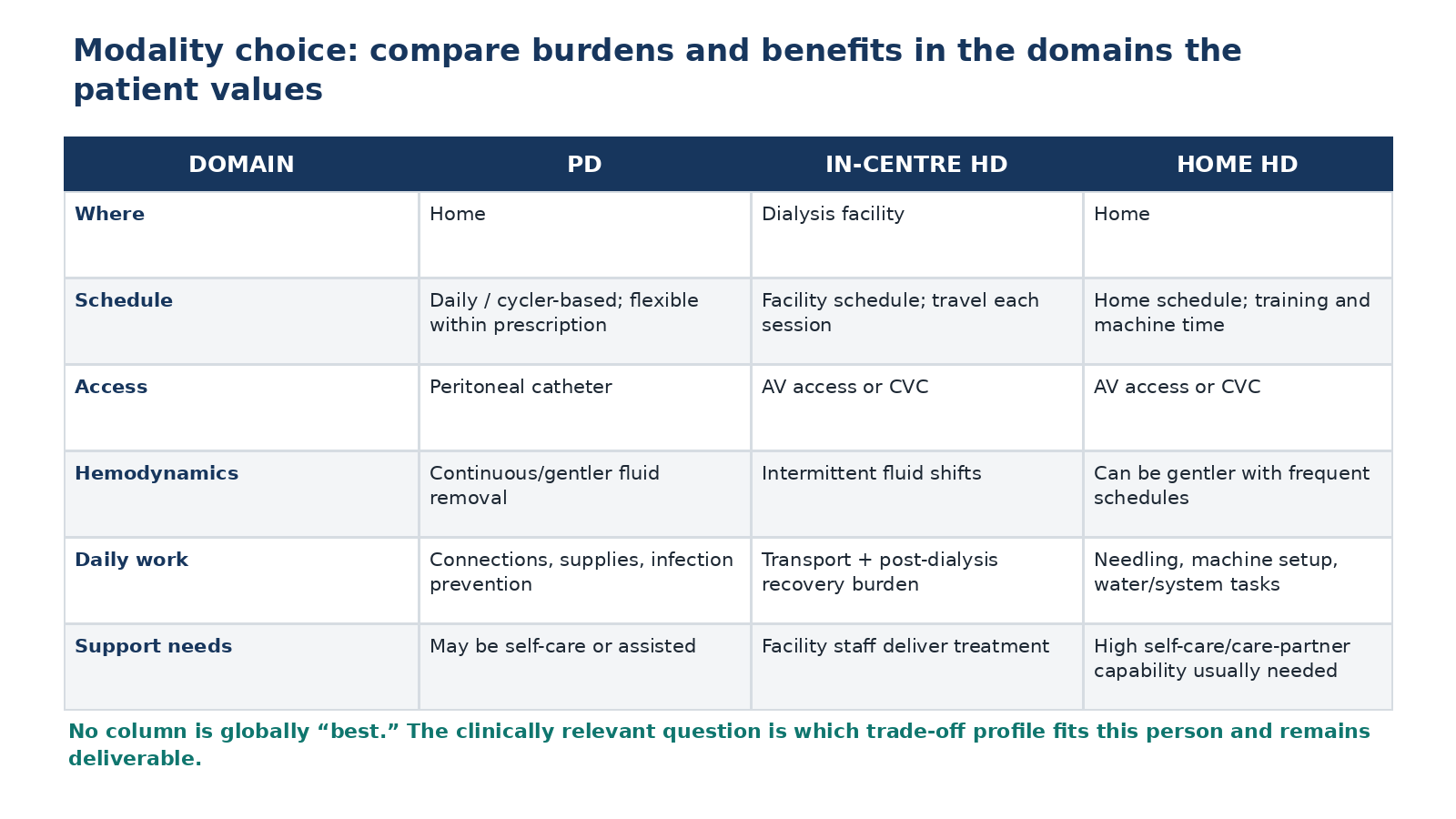
Table 4.12 - Modality comparison: interpret as trade-offs, not promises.
| Domain | PD | In-centre HD | Clinical discussion |
|---|---|---|---|
| Treatment location | Home | Facility | Which location protects life participation and safety? |
| Schedule | Daily exchanges/cycler schedule | Intermittent facility sessions | Which workload/recovery pattern is acceptable? |
| Fluid removal | Continuous or near-continuous | Intermittent | Hemodynamic tolerance and residual kidney function matter |
| Access | PD catheter | AVF/AVG/CVC | Future transplant and access options matter |
| Infection phenotype | Peritonitis/exit-site infection | Access/BSI risk, especially CVC | Different risks, not “infection versus no infection” |
| Daily responsibility | High self-care unless assisted | Lower technical self-care during treatment | Autonomy versus workload is preference-sensitive |
| Travel burden | Fewer routine facility trips; supply logistics | Frequent transport to unit | Geography changes the answer |
| Storage/home impact | Meaningful supply footprint | Minimal home equipment for facility HD | Home constraints and preferences matter |
THRESHOLD DISCIPLINE Do not use observational subgroup survival estimates as deterministic rules for an individual patient. They inform discussion but remain vulnerable to confounding and time-varying modality effects. [8,15]
12. Transplantation and the integrated kidney-failure life-plan
For eligible patients, transplantation should remain visible from the beginning of the modality discussion. A dialysis modality is often a bridge, not a destination. The choice should therefore consider expected waiting time, living donor possibilities, likelihood of pre-emptive transplantation, need to preserve vascular access options and the burden of starting a modality that may be used only briefly. [1,2]
Table 4.13 - Questions when transplantation is part of the plan.
| Question | Why it changes modality planning |
|---|---|
| Is pre-emptive transplantation realistic? | May avoid dialysis or shorten exposure |
| How long is the likely wait? | Short versus long dialysis horizon changes burden-benefit trade-offs |
| Will vascular access be needed as backup? | Preserve future options even if PD is chosen |
| Could PD catheter remain useful during transplant uncertainty? | Plan removal timing pragmatically |
| What if graft fails later? | Think in integrated modality sequences, not one lifetime choice |
LIFE-PLAN RULE Choose the current modality with the next modality in mind.
13. Older age and frailty: time-to-benefit, independence and support
Older age is not a PD contraindication. The important variables are frailty, cognition, function, comorbidity, symptom burden, prognosis, home support and what the patient hopes treatment will preserve. Older people may value remaining at home and avoiding transport, while others may prefer facility-based treatment to reduce home treatment burden. [12–15]
Frailty assessment can reveal needs that are invisible in routine nephrology history: mobility impairment, falls, low strength, cognitive change, nutrition problems and dependence in instrumental activities. Reviews of older PD populations support frailty screening and, when indicated, comprehensive geriatric assessment to align treatment and assistance with goals. [12,13]
Table 4.14 - Frailty changes the support plan more often than it changes eligibility.
| Finding | Wrong conclusion | Better response |
|---|---|---|
| Slow gait / poor strength | “Too frail for PD” | Assess which tasks require assistance |
| Transport exhaustion | “HD is simpler” | Compare home support with travel/recovery burden |
| Mild cognitive impairment | “Cannot do home dialysis” | Assess caregiver/professional assistance |
| High comorbidity | “PD survival is worse” | Discuss uncertainty, prognosis, goals and treatment burden |
| Limited prognosis | “Must choose the quickest dialysis” | Include comprehensive conservative care and time-to-benefit |
PROGNOSIS RULE For frail older adults, the relevant outcome may be days at home, symptom control, treatment burden and life participation—not survival alone. [12]
14. Obesity and large body size: a technical planning problem, not a prohibition
Contemporary evidence does not support obesity as a contraindication to PD. The challenges are practical: catheter and exit-site geometry, intra-abdominal pressure, mechanical complications, glucose exposure and interpretation of small-solute clearance in a body with substantial adipose mass. Recent reviews emphasize technical customization rather than exclusion. [8,16]
Table 4.15 - Obesity: concern -> planning response.
| Concern | Mechanism | Planning direction |
|---|---|---|
| Exit site not visible | Self-care and infection risk | Preoperative marking; extended catheter where appropriate |
| Mechanical pressure | Leak/hernia risk | Insertion technique, healing and fill-volume strategy |
| Clearance calculations | Total body weight may overstate urea distribution | Interpret with clinical goals and appropriate body-water assumptions |
| Glucose burden | Metabolic exposure | Incremental prescription when appropriate; long-dwell strategy |
| Transplant candidacy | Weight-related transplant criteria may coexist | Do not assume dialysis modality itself determines candidacy |
DO NOT AUTOMATE Do not translate BMI into a modality veto. Translate body habitus into catheter, exit-site, mechanical and prescription requirements. [16]
15. Diabetes, cardiovascular disease and heart failure
Diabetes does not by itself mandate HD or exclude PD. The decision should consider residual kidney function, vascular-access options, glycemic management, obesity, vision/dexterity, autonomic symptoms and the practical impact of intraperitoneal glucose exposure. Comparative survival studies in diabetes are observational and have changed across eras; they should not override preference and individual feasibility. [8]
For patients with severe intradialytic hemodynamic intolerance or refractory congestion, the slow continuous fluid removal achievable with PD may be attractive. Observational heart-failure studies report improvements in hospitalization and functional class, but evidence quality is low and should not be presented as randomized proof of superiority. [19]
Table 4.16 - Cardio-metabolic phenotype and modality reasoning.
| Phenotype | PD may offer | PD may require |
|---|---|---|
| Hemodynamic fragility | Gentler continuous fluid removal | Careful volume prescription and monitoring |
| Difficult vascular access | Avoidance of immediate AV access dependence | Reliable peritoneal access |
| Diabetes + visual/dexterity impairment | Home therapy if assisted | Task assistance and glucose-management review |
| Severe hyperglycemia/obesity | Still feasible | Minimize unnecessary glucose exposure; individualized prescription |
| Advanced heart failure | Potential reduction in intermittent fluid-shift burden | Realistic prognosis and support planning |
16. ADPKD, previous abdominal surgery, hernia, ostomy and ascites
These conditions illustrate why mechanism-based selection is superior to blanket exclusions. Meta-analysis in ADPKD supports PD as a viable option, although abdominal wall hernia risk may be higher. Previous surgery may produce adhesions but does not prove that useful peritoneal surface or catheter function is impossible. Hernias can often be repaired. Ostomies require careful exit-site and infection-prevention planning. [8,17]
Cirrhosis with ascites is another example: PD was historically avoided, but contemporary reviews and a 2025 systematic review suggest it can be feasible in selected patients. Concerns include infection, protein loss, leaks and malnutrition, while HD may be difficult because of hypotension and vascular instability. The correct conclusion is “specialist individualized planning,” not “ascites equals no PD.” [20,21]
Table 4.17 - Abdominal complexity: the question behind the label.
| Condition | Main PD concern | Decision question |
|---|---|---|
| ADPKD | Space/discomfort, hernia | Are symptoms and abdominal wall issues manageable? |
| Prior laparotomy | Adhesions / catheter flow | Can surgical or image-guided expertise establish a working catheter? |
| Hernia | Leak / enlargement | Can it be repaired and pressure managed? |
| Ostomy | Exit-site contamination | Can sites and care routines be separated safely? |
| Cirrhosis/ascites | Infection, protein loss, leak | Does PD offer a favorable hemodynamic trade-off with manageable risks? |
| Recurrent major mechanical failure | Inability to deliver therapy | Is the mechanism correctable or is another modality safer? |
17. Psychosocial readiness, adherence and the danger of moral labels
A history of missed medication, low health literacy, anxiety, mental illness or unstable social circumstances should prompt diagnostic curiosity rather than a moral label. The same behavior can arise from depression, cognitive impairment, financial barriers, language discordance, treatment overload, chaotic housing or lack of understanding. Some of these factors may make unsupervised PD unsafe; many can be improved. [3,5,6]
Table 4.18 - “Nonadherence” is a phenotype, not a mechanism.
| Observed problem | Possible mechanism | Clinical response |
|---|---|---|
| Missed clinic visits | Transport/work barriers, depression | Identify barrier; telehealth/flexible review where appropriate |
| Incomplete exchanges | Treatment burden, poor understanding, pain | Clarify mechanism before escalating prescription |
| Technique shortcuts | Training drift, fatigue, caregiver overload | Retrain; simplify workflow; add assistance |
| Poor records | Literacy/cognition/system burden | Adapt documentation method |
| Repeated contamination | Environment, dexterity, cognition | Root-cause technique assessment; support or alternative if unresolved |
LANGUAGE RULE Describe the behavior and its mechanism. Avoid using “noncompliant” as the explanation.
18. CAPD versus APD: choose format only after choosing PD
CAPD and APD are not separate kidney-failure philosophies; they are ways of delivering PD. Once PD is chosen, the format should reflect transport physiology, sleep, work, treatment burden, physical ability, assistance availability and patient preference. Detailed prescription optimization belongs to Chapter 9. [4]
Table 4.19 - High-level CAPD/APD fit; prescription details are deferred to Chapter 9.
| Domain | CAPD may fit when… | APD may fit when… |
|---|---|---|
| Daytime schedule | Manual exchanges are acceptable | Daytime freedom is highly valued |
| Nighttime | No cycler/sleep disruption concern | Overnight treatment is acceptable |
| Physical tasks | Manual bag handling is feasible/assisted | Cycler setup can be done/assisted |
| Transport physiology | Dwell structure fits physiology | Shorter overnight cycles suit physiology |
| Home utilities | Minimal machine dependence preferred | Electricity/device space reliable |
19. The management framework: from preference to a deliverable plan
A shared decision is not complete until the treatment is operational. The chosen pathway must have an owner, milestones and a backup: transplant referral if relevant, catheter or vascular-access plan, training date, home support plan, medication/nutrition review, emergency contact pathway and triggers for reassessment. [1–6]
Table 4.20 - Convert “I choose PD” into an executable plan.
| Plan element | Required output |
|---|---|
| Choice | PD selected after balanced discussion of feasible alternatives |
| Why | Patient priorities and expected benefits/burdens documented |
| Access | Catheter strategy + timing + backup access plan |
| Training | Learner(s), teaching adaptations and competency plan |
| Home | Storage/workspace/utilities/supply plan |
| Assistance | Named caregiver/professional tasks + respite/backup |
| Prescription pathway | Initial approach to be finalized in Chapter 6 |
| Review trigger | Clinical/functional/caregiver events that reopen the choice |
DOCUMENTATION RULE Record not only what was chosen, but why it fits the person and what would make you reconsider.
20. When PD should not be forced
Patient-centred care does not mean making PD work at any cost. PD should not be imposed when a critical barrier remains uncorrectable, when treatment cannot be delivered safely or reliably, when the burden is inconsistent with the person’s goals, or when the person simply prefers another feasible option after informed discussion. Likewise, home-dialysis expansion targets must never become coercion. [2,3]
Table 4.21 - Stop trying to “rescue PD” when…
| Situation | Why transition/alternative may be better |
|---|---|
| No reliable peritoneal access can be established | Therapy cannot be delivered |
| Unsafe technique persists despite retraining and available assistance | Infection or treatment-delivery risk remains unacceptable |
| Home/support barriers remain unresolvable | Prescription is not sustainable |
| Treatment burden overwhelms patient goals | Technical success would still be patient-level failure |
| Major mechanical/clinical complication is not correctable | Risk exceeds plausible benefit |
| Patient prefers another feasible modality | Preference is itself a legitimate decision variable |
MASTER CORRECTION The goal is not maximum PD utilization. The goal is maximum access to an informed, feasible and preference-concordant kidney-failure pathway.
21. Reassess modality fit: the decision has an expiration date
Self-care capacity can decline, caregivers can become ill, employment can change, peritonitis or mechanical events can alter confidence, and transplantation opportunities can appear. ISPD assisted-PD guidance specifically recommends monitoring self-care and family-assisted patients for new barriers. A modality review should therefore be triggered by change, not reserved for technique failure. [5]
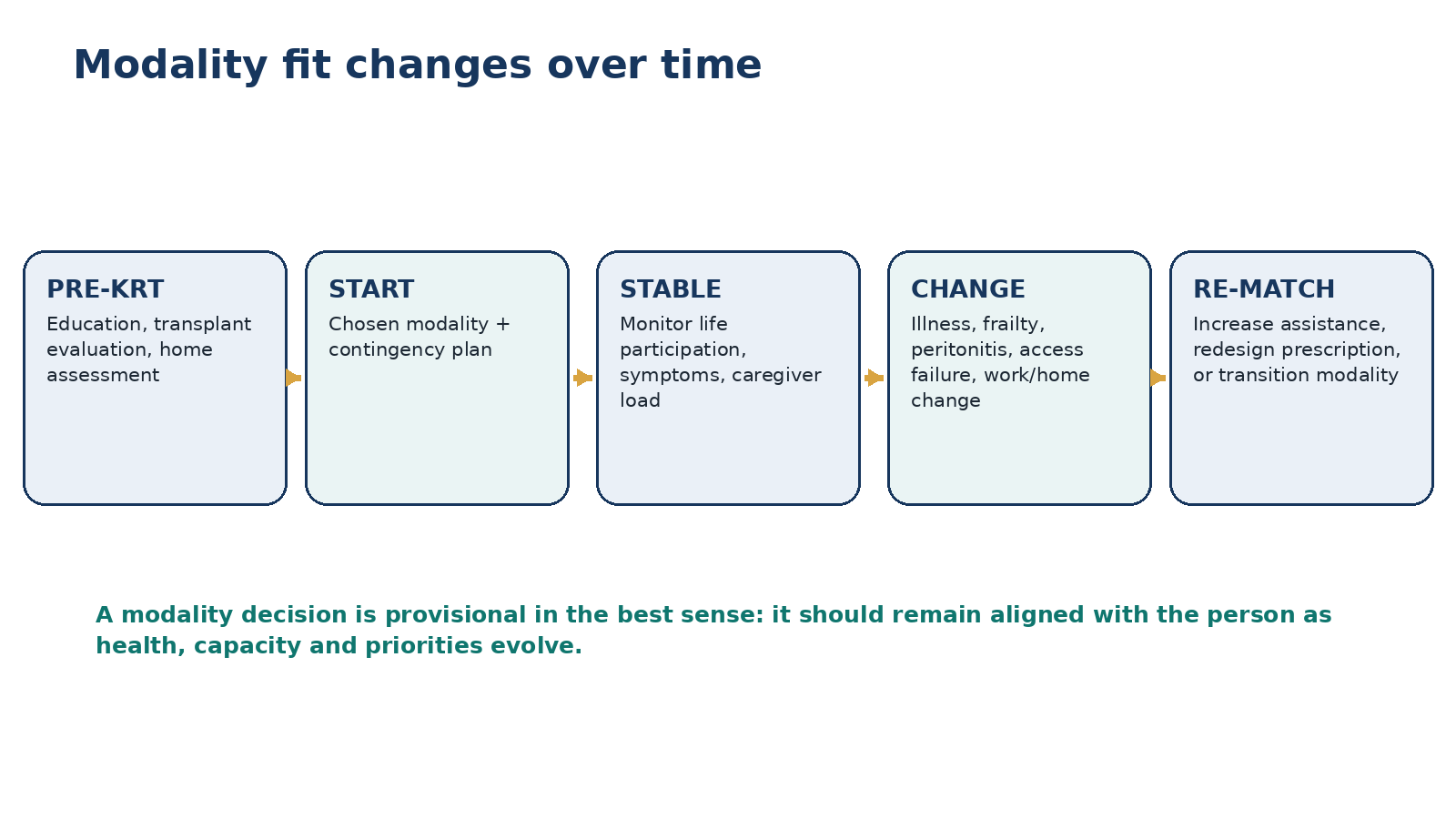
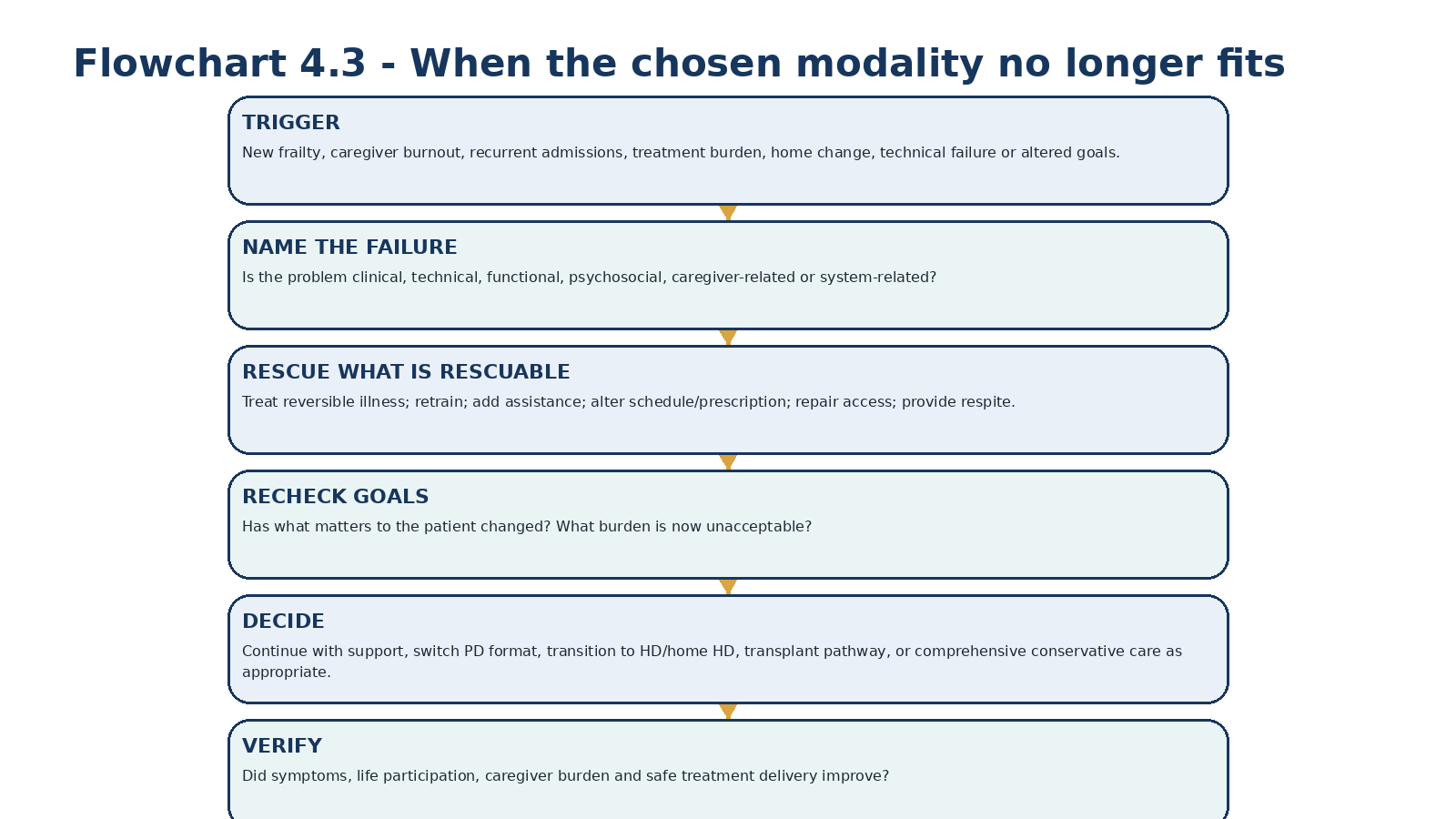
Table 4.22 - Reassessment triggers.
| Trigger | What to reassess |
|---|---|
| New falls/frailty | Task capability, assistance, home safety |
| Cognitive decline | Independent technique safety |
| Caregiver burnout/illness | Respite and professional assistance |
| Repeated peritonitis/contamination | Technique, environment, cognition and goals |
| Mechanical complications | Correctability and burden of repeated procedures |
| Work/family change | Schedule and life participation |
| Loss of residual kidney function | Prescription burden and modality fit |
| Transplant opportunity | Access/catheter timing and transition plan |
| Patient requests change | Re-open options without requiring “failure” |
22. Clinical pearls
PEARL 1 The first test of PD eligibility is anatomical/clinical feasibility; the second is who will perform the tasks.
PEARL 2 Living alone is a support question, not a medical contraindication.
PEARL 3 A patient can prefer the home but dislike self-care; assisted PD separates those two issues.
PEARL 4 Ask what treatment must preserve before asking which modality the patient wants.
PEARL 5 Early modality education creates options; late education explains defaults.
PEARL 6 A care partner is not a free dialysis workforce. Assess willingness and burden explicitly.
PEARL 7 Older age and obesity should trigger planning, not automatic exclusion.
PEARL 8 Comparative survival data between PD and HD are not precise enough to replace patient preference for most individuals.
PEARL 9 A modality choice without a backup plan is incomplete.
PEARL 10 The best sign of successful modality selection is sustained safe treatment that still fits the person’s life.
23. Mini-cases: decisions, not labels
Case 1 - The 78-year-old who “cannot do PD”
A 78-year-old with CKD G5, preserved cognition, severe arthritis and poor hand strength wants to remain at home. Her daughter lives nearby but cannot attend every day.
REASONING QUESTION Is arthritis a contraindication to PD?
INTERPRETATION No. It is a task-capability barrier. The relevant assessment is which connection/bag-handling steps she cannot perform and whether professional or family assistance can safely cover them.
MANAGEMENT DECISION Offer a structured assisted-PD assessment alongside other modalities; assess caregiver burden rather than assuming the daughter will provide daily care.
TEACHING POINT Physical dependence changes the delivery model more often than the modality eligibility.
Case 2 - Obesity and a hidden exit site
A 49-year-old with obesity prefers PD but cannot see the proposed lower-abdominal exit site while seated.
REASONING QUESTION Should body size alone redirect the patient to HD?
INTERPRETATION No. The concern is exit-site visibility, catheter geometry and mechanical/prescription planning.
MANAGEMENT DECISION Use experienced preoperative marking and catheter planning; discuss metabolic and mechanical trade-offs without presenting obesity as a contraindication.
TEACHING POINT Translate body habitus into technical requirements, not a veto.
Case 3 - Frailty and transport exhaustion
An 84-year-old with moderate frailty needs family transport for all appointments and is exhausted for the rest of the day after hospital visits. Cognition is mildly impaired.
REASONING QUESTION Does frailty favor facility HD because “staff do everything”?
INTERPRETATION Not necessarily. Facility HD reduces home technical tasks but adds transport and treatment-day burden. Mild cognitive impairment may be compatible with assisted PD.
MANAGEMENT DECISION Compare assisted PD, in-centre HD and comprehensive conservative care against her goals; involve geriatrics/caregiver assessment as appropriate.
TEACHING POINT The lowest technical workload is not always the lowest total life burden.
Case 4 - Prior abdominal surgery
A 61-year-old with a previous midline laparotomy is told elsewhere that PD is impossible. He strongly prefers home therapy.
REASONING QUESTION What is the correct next step?
INTERPRETATION Prior surgery raises the possibility of adhesions but does not prove that a functional catheter or adequate peritoneal surface is impossible.
MANAGEMENT DECISION Refer for experienced catheter assessment/placement planning rather than excluding PD by history alone.
TEACHING POINT A risk factor should trigger expertise, not automatic denial.
Case 5 - Caregiver burnout
A spouse has performed most PD tasks for two years and now reports severe fatigue and resentment. The patient is stable and wants to remain on PD.
REASONING QUESTION Is this “PD failure”?
INTERPRETATION No. The immediate failure is support sustainability. ISPD specifically recognizes caregiver illness/burnout as a reason for temporary assistance or respite.
MANAGEMENT DECISION Assess professional assisted-PD/respite options and redistribute tasks; transition modality only if a sustainable support plan cannot be achieved or preferences change.
TEACHING POINT Protect the caregiver to protect the modality choice.
Case 6 - Emergency HD start, later choice
A 56-year-old starts HD urgently via a catheter after pulmonary edema. He had never received modality education and asks whether PD is still possible.
REASONING QUESTION Does an unplanned HD start settle the long-term modality?
INTERPRETATION No. KDIGO emphasizes that patients who start unplanned dialysis should still receive education and the opportunity to choose among feasible options once stabilized.
MANAGEMENT DECISION After recovery, reassess transplant pathway, PD feasibility, home fit and preferences; plan transition if PD is chosen.
TEACHING POINT The first dialysis treatment is not necessarily the final modality decision.
24. Common pitfalls - and the correction
Table 4.23 - High-frequency errors in modality selection.
| Pitfall | Why it fails | Correction |
|---|---|---|
| “Too old for PD” | Age does not measure function or preference | Assess frailty, cognition, goals and assistance |
| “Lives alone, so no PD” | Confuses social support with anatomy | Assess self-care and assisted PD |
| “Obese, so clearance will fail” | Overgeneralizes body size | Plan catheter/prescription and interpret clearance appropriately |
| “Previous surgery = adhesions = no PD” | History does not prove unusable peritoneum | Expert access assessment |
| “Family can help” without asking family | Creates hidden coercion and burnout | Assess willingness, burden and backup |
| Selling one modality | Destroys informed preference | Balanced option presentation |
| Using survival statistics as destiny | Observational confounding and heterogeneity | Use estimates as context, not commands |
| Equating modality choice with one-time consent | Preferences and capability change | Revisit after trigger events |
| Calling transition “failure” | Stigmatizes appropriate adaptation | Frame as planned modality evolution |
| Ignoring conservative care in high-burden illness | Makes dialysis appear mandatory | Include comprehensive conservative care when appropriate |
25. Active recall: MUST MEMORIZE / MUST REASON / USE AS REFERENCE
MUST MEMORIZE
Table 4.24 - Must memorize.
| Prompt | Answer |
|---|---|
| KDIGO 2024: risk threshold that can help time multidisciplinary care? | 2-year kidney-failure risk >10%, alongside eGFR and clinical considerations. |
| KDIGO 2024: risk threshold that can help time modality education/KRT preparation? | 2-year kidney-failure risk >40%, alongside eGFR and clinical considerations. |
| Three selection questions? | Eligibility, capability, supportability. |
| Core principle of assisted PD? | Provide missing task capability so a preferred home therapy can remain accessible. |
| What must be assessed in caregivers? | Willingness, task capacity, burden and backup/respite. |
| Is obesity an automatic PD contraindication? | No. |
| Is older age an automatic PD contraindication? | No. |
| Is unplanned HD start a permanent modality decision? | No. |
| What makes SDM complete? | Balanced options + values + shared plan + ability to revisit. |
| What defines success? | Safe sustainable treatment aligned with patient goals and acceptable burden. |
MUST REASON
Table 4.25 - Must reason.
| Scenario | Reasoning task |
|---|---|
| Poor dexterity | Separate self-care capability from PD eligibility; identify task assistance. |
| Cognitive decline | Decide whether assisted delivery can make technique safe. |
| Home too small | Identify the exact storage/workspace barrier and system solutions before exclusion. |
| Caregiver burnout | Treat support failure with respite/assistance before forced modality transfer. |
| High comorbidity | Compare prognosis and treatment burden without using observational survival as a command. |
| Prior abdominal surgery | Assess technical feasibility rather than inferring failure. |
| Patient changes preference | Re-open the decision; prior choice is not a contract. |
USE AS REFERENCE
Table 4.26 - Use as reference, not rote memory.
| Item | Where it belongs |
|---|---|
| Detailed catheter selection/insertion | Chapter 5 |
| Initial PD prescription | Chapter 6 |
| Adequacy targets / RKF | Chapter 7 |
| Volume and UF failure | Chapter 8 |
| CAPD/APD optimization | Chapter 9 |
| Special populations and difficult prescriptions | Chapter 16 |
| Urgent-start PD | Chapter 17 |
| Remote monitoring / connected cyclers | Chapter 18 |
26. Flashcards: active recall
1. Q: What is the first question before “Can they do PD?” A: Can PD be delivered clinically and anatomically?
2. Q: Capability versus supportability? A: Capability is what the patient can do; supportability is how missing tasks can be supplied.
3. Q: Living alone means? A: Assess self-care or professional assistance - not automatic exclusion.
4. Q: Frailty means? A: Assess task function, goals and support; it does not itself select a modality.
5. Q: Why assess caregiver burden? A: Unsustainable unpaid care can cause burnout and modality loss.
6. Q: What is assisted PD? A: PD in which another person performs some or all tasks the patient cannot safely perform.
7. Q: What should patient education include? A: All feasible pathways presented fairly, with values clarification and teach-back.
8. Q: Decision aid role? A: Improves knowledge/preparation; does not replace clinician-patient SDM.
9. Q: Obesity and PD? A: Technical planning issue, not a blanket contraindication.
10. Q: ADPKD and PD? A: Generally feasible; consider abdominal symptoms and hernia/mechanical risk.
11. Q: Prior surgery and PD? A: May complicate access but does not prove PD infeasible.
12. Q: Ascites/cirrhosis and PD? A: Selected patients can receive PD; specialist individualized risk-benefit assessment.
13. Q: What makes a modality choice operational? A: Access, training, home/support plan, milestones and backup.
14. Q: What should trigger re-decision? A: Change in health, function, caregiver capacity, home life, treatment complications or goals.
15. Q: Best modality? A: The feasible modality whose trade-offs best fit the person and can be delivered sustainably.
16. Q: What should never drive selection alone? A: Provider habit, a single comorbidity, or an observational survival subgroup.
17. Q: Unplanned HD start? A: Stabilize, then re-offer modality education and choice.
18. Q: What is a planned modality transition? A: Adaptation to a changed person or clinical situation - not moral failure.
27. Rapid troubleshooting: why the “right” modality is not working
Table 4.27 - Modality mismatch troubleshooting.
| Problem | Think | Do now |
|---|---|---|
| Patient wants to stop PD tasks | Treatment burden, depression, technique fatigue | Clarify cause; simplify/assist; revisit goals |
| Caregiver can no longer help | Support failure | Respite/professional assistance; backup plan |
| New cognitive impairment | Technique safety risk | Reassess competency; assisted delivery or transition |
| Repeated missed treatments | Burden, misunderstanding, symptoms, logistics | Mechanism-based assessment, not automatic blame |
| Home becomes unsuitable | Housing/utilities/storage change | Social/system intervention; alternate PD format or modality |
| Repeated mechanical complications | Anatomical/pressure problem | Correct mechanism; reassess total burden |
| New transplant opportunity | Modality horizon changed | Coordinate catheter/access and transplant plan |
| Patient now prefers HD | Values changed | Re-discuss feasible options and plan transition |
28. Final revision sheet
TEN TAKE-HOME RULES 1) Start planning early enough to create a real choice. 2) Use risk to time education, not to dictate dialysis start. 3) Separate eligibility, capability and supportability. 4) Absolute modality contraindications are uncommon. 5) Present all feasible pathways without bias. 6) Ask what matters before matching modality. 7) Assisted PD is an equity intervention. 8) Assess caregiver burden explicitly. 9) Older age, obesity and prior surgery are not automatic PD exclusions. 10) Revisit the modality when the person or their life changes.
Table 4.28 - One-minute bedside synthesis.
| If you see… | Think… | Do now… |
|---|---|---|
| Advanced CKD with high 2-year failure risk | Choice window approaching | Multidisciplinary education + KRT planning |
| Patient “cannot do PD” | Which task cannot be done? | Separate capability from eligibility |
| Lives alone | Support question | Self-care assessment + assisted-PD options |
| Frailty / poor dexterity | Task dependence | Assistance/adaptation rather than automatic exclusion |
| Caregiver exhausted | Support system failing | Burden assessment + respite/professional support |
| Obesity / ADPKD / prior surgery | Technical planning issue | Mechanism-specific access/prescription assessment |
| Unplanned HD start | Initial stabilization, not final choice | Re-offer education after recovery |
| Modality no longer fits | Dynamic mismatch | Name mechanism, rescue reversible causes, re-decide |
Table 4.29 - Modality-choice verification checklist.
| Check | Pass criterion |
|---|---|
| Options | All clinically feasible pathways were discussed fairly |
| Understanding | Patient/care partner can explain major trade-offs in their own words |
| Values | Priorities and unacceptable burdens are documented |
| PD feasibility | Anatomical/clinical feasibility assessed separately from self-care capability |
| Capability | Task-based physical/cognitive assessment completed |
| Support | Caregiver/assisted-PD needs and burden assessed |
| Home | Practical environment issues addressed or a remediation plan exists |
| Access | Catheter/access/transplant milestones are defined |
| Backup | Alternative if primary plan fails is documented |
| Review | Triggers for re-opening the decision are explicit |
FINAL MENTAL MODEL Time the conversation -> offer all feasible pathways -> test PD eligibility -> assess capability -> rescue support barriers -> elicit values -> match trade-offs -> operationalize the plan -> revisit when circumstances change. A good modality decision is not the treatment the clinician can deliver most easily; it is the treatment the patient can live with safely and sustainably.
Rapid oral viva
Explain why “PD candidate” is an inferior framing to eligibility-capability-supportability.
Use KDIGO 2024 kidney-failure risk thresholds correctly for care planning without converting them into dialysis-start criteria.
Walk through a modality discussion with an older frail patient who lives alone.
Explain how assisted PD changes the meaning of poor dexterity or mild cognitive impairment.
Compare PD and in-centre HD using patient-important domains rather than survival claims.
Defend or reject PD in a patient with obesity, ADPKD, prior abdominal surgery or cirrhosis by mechanism rather than label.
Describe how you would respond to caregiver burnout without calling it PD technique failure.
Explain why an emergency HD start should trigger later re-offering of modality choice.
SCOPE BOUNDARY This chapter teaches selection, shared choice and support architecture. Detailed catheter technique is Chapter 5; initial prescription is Chapter 6; adequacy/RKF Chapter 7; volume/UF Chapter 8; CAPD/APD optimization Chapter 9; difficult special-population prescriptions Chapter 16; urgent-start PD Chapter 17; and connected-care systems Chapter 18.
29. Selected authoritative references
1. Kidney Disease: Improving Global Outcomes (KDIGO) CKD Work Group. KDIGO 2024 Clinical Practice Guideline for the Evaluation and Management of Chronic Kidney Disease. Kidney Int. 2024;105(4S):S117–S314. https://doi.org/10.1016/j.kint.2023.10.018. PMID: 38490803.
2. Chan CT, Blankestijn PJ, Dember LM, et al. Dialysis initiation, modality choice, access, and prescription: conclusions from a KDIGO Controversies Conference. Kidney Int. 2019;96(1):37–47. https://doi.org/10.1016/j.kint.2019.01.017. PMID: 30987837.
3. Perl J, Brown EA, Chan CT, et al. Home dialysis: conclusions from a Kidney Disease: Improving Global Outcomes (KDIGO) Controversies Conference. Kidney Int. 2023;103(5):842–858. https://doi.org/10.1016/j.kint.2023.01.006. PMID: 36731611.
4. Brown EA, Blake PG, Boudville N, et al. International Society for Peritoneal Dialysis practice recommendations: Prescribing high-quality goal-directed peritoneal dialysis. Perit Dial Int. 2020;40(3):244–253. https://doi.org/10.1177/0896860819895364. PMID: 32063219.
5. Oliver MJ, Abra G, Béchade C, et al. Assisted peritoneal dialysis: Position paper for the ISPD. Perit Dial Int. 2024;44(3):160–170. https://doi.org/10.1177/08968608241246447. PMID: 38712887.
6. Chow JSF, Brunier G, Figueiredo AE, et al. Teaching peritoneal dialysis: A position paper for the International Society for Peritoneal Dialysis. Perit Dial Int. 2025;45(6):327–343. https://doi.org/10.1177/08968608251375512. PMID: 40966019.
7. Manera KE, Johnson DW, Craig JC, et al. Establishing a core outcome set for peritoneal dialysis: report of the SONG-PD consensus workshop. Am J Kidney Dis. 2020;75(3):404–412. https://doi.org/10.1053/j.ajkd.2019.09.017. PMID: 31955922.
8. Lambie M, Davies S. An update on absolute and relative indications for dialysis treatment modalities. Clin Kidney J. 2023;16(Suppl 1):i39-i47. https://doi.org/10.1093/ckj/sfad062. PMID: 37711635; PMCID:PMC10497377.
9. Subramanian L, Zhao J, Zee J, et al. Use of a decision aid for patients considering peritoneal dialysis and in-center hemodialysis: a randomized controlled trial. Am J Kidney Dis. 2019;74(3):351–360. https://doi.org/10.1053/j.ajkd.2019.01.030. PMID: 30954312.
10. Leng Y, Li T, Xie R, et al. Effectiveness of patient decision aids in patients with advanced kidney disease: a meta-analysis based on randomized controlled trials. Int Urol Nephrol. 2024;56(10):3295–3305. https://doi.org/10.1007/s11255-024-04101-w. PMID: 38862700.
11. van Eck van der Sluijs A, Vonk S, Bonenkamp AA, et al. Value of patient decision aids for shared decision-making in kidney failure. J Ren Care. 2024;50(1):15–23. https://doi.org/10.1111/jorc.12468. PMID: 37211923.
12. Wu HHL, Poulikakos D, Hurst H. Delivering personalized, goal-directed care to older patients receiving peritoneal dialysis. Kidney Dis (Basel). 2023;9(5):358–370. https://doi.org/10.1159/000531367. PMID: 37901709.
13. Wu HHL, Dhaygude AP, Mitra S, Tennankore KK. Home dialysis in older adults: challenges and solutions. Clin Kidney J. 2023;16(3):422–431. https://doi.org/10.1093/ckj/sfac220. PMID: 36865019; PMCID:PMC9972827.
14. Cheng L, Hu N, Song D, Chen Y. Mortality of peritoneal dialysis versus hemodialysis in older adults: an updated systematic review and meta-analysis. Gerontology. 2024;70(5):461–478. https://doi.org/10.1159/000536648. PMID: 38325351; PMCID:PMC11098023.
15. Elsayed ME, Morris AD, Li X, Browne LD, Stack AG. Propensity score matched mortality comparisons of peritoneal and in-centre haemodialysis: systematic review and meta-analysis. Nephrol Dial Transplant. 2020;35(12):2172–2182. https://doi.org/10.1093/ndt/gfz278. PMID: 31981353.
16. Bansal S, Nararyan R. Management of peritoneal dialysis in patients with obesity. Curr Opin Nephrol Hypertens. 2026;35(1):101–107. https://doi.org/10.1097/MNH.0000000000001124. PMID: 41133752; PMCID:PMC12672041.
17. Dupont V, Kanagaratnam L, Sigogne M, et al. Outcome of polycystic kidney disease patients on peritoneal dialysis: systematic review of literature and meta-analysis. PLoS One. 2018;13(5):e0196769. https://doi.org/10.1371/journal.pone.0196769. PMID: 29787614; PMCID:PMC5963788.
18. Selwood J, Dani M, Corbett R, Brown EA. Kidney replacement therapies in the older person: challenges to decide the best option. Clin Kidney J. 2025;18(2):sfaf020. https://doi.org/10.1093/ckj/sfaf020. PMID: 39995809; PMCID:PMC11848140.
19. Timóteo AT, Mano TB. Efficacy of peritoneal dialysis in patients with refractory congestive heart failure: a systematic review and meta-analysis. Heart Fail Rev. 2023;28(5):1053–1063. https://doi.org/10.1007/s10741-023-10297-3. PMID: 36738391; PMCID:PMC10403434.
20. Mekraksakit P, Suppadungsuk S, Thongprayoon C, et al. Outcomes of peritoneal dialysis in cirrhosis: a systematic review and meta-analysis. Perit Dial Int. 2025;45(2):93–105. https://doi.org/10.1177/08968608241237401. PMID: 38757682.
21. Rajora N, De Gregorio L, Saxena R. Peritoneal dialysis use in patients with ascites: a review. Am J Kidney Dis. 2021;78(5):728–735. https://doi.org/10.1053/j.ajkd.2021.04.010. PMID: 34144102; PMCID:PMC8545758.
SOURCE NOTE KDIGO, ISPD and bibliographic sources were checked 1 September 2026. Local availability of assisted PD, home visits, catheter-placement expertise, supply delivery, reimbursement, interpreter services and home-dialysis support varies by health system. Program-specific requirements and current local policy take precedence over generic operational examples in this teaching chapter.